
Load Testing
Measure how your application performs under real traffic conditions, before your users find out the hard way.

Load Testing
Load testing measures the performance and stability of your application under expected and peak traffic conditions. We simulate real user behavior against your web services, APIs, and backend systems to identify bottlenecks before they impact production.
Key metrics we measure include: elapsed time, availability, total data transferred, server response time, transaction rate, throughput, concurrency, and error rates under load.
Our Load Testing Process
- Define test scenarios that simulate realistic user flows
- Validate scenarios against the target environment
- Execute tests and collect detailed performance data
- Analyze results and identify performance bottlenecks
- Deliver a comprehensive report with findings and recommendations
Types of Load Tests
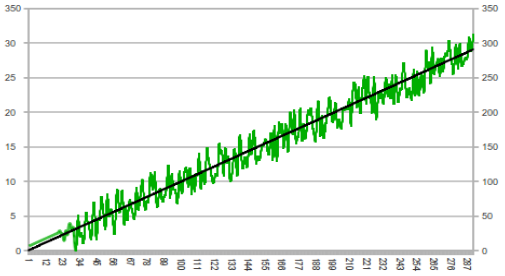
1. Degradation Test (Breakpoint Test)
The analyst incrementally increases user load until the system reaches its breaking point. This determines the maximum number of concurrent users the application can support before performance degrades below acceptable thresholds. The result is a clear capacity ceiling that informs infrastructure scaling decisions.
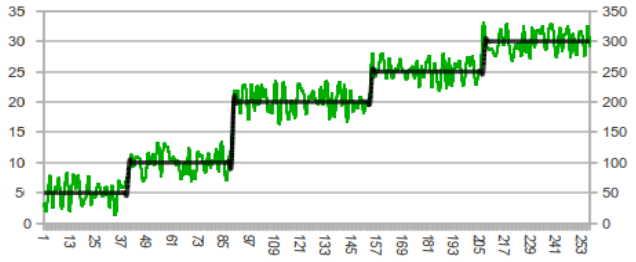
2. Performance Test
We measure application performance across multiple user load levels to validate baseline behavior and confirm intrinsic performance characteristics. Where server access is available, we also monitor CPU, memory, bandwidth, and SWAP usage in real time, giving a complete picture of resource consumption under load.

3. Robustness Test
The analyst simulates sustained high user load over an extended period to verify long-term stability. This test confirms whether the system can maintain acceptable performance without memory leaks, resource exhaustion, or degradation over time, simulating days or weeks of continuous operation in a compressed timeframe.